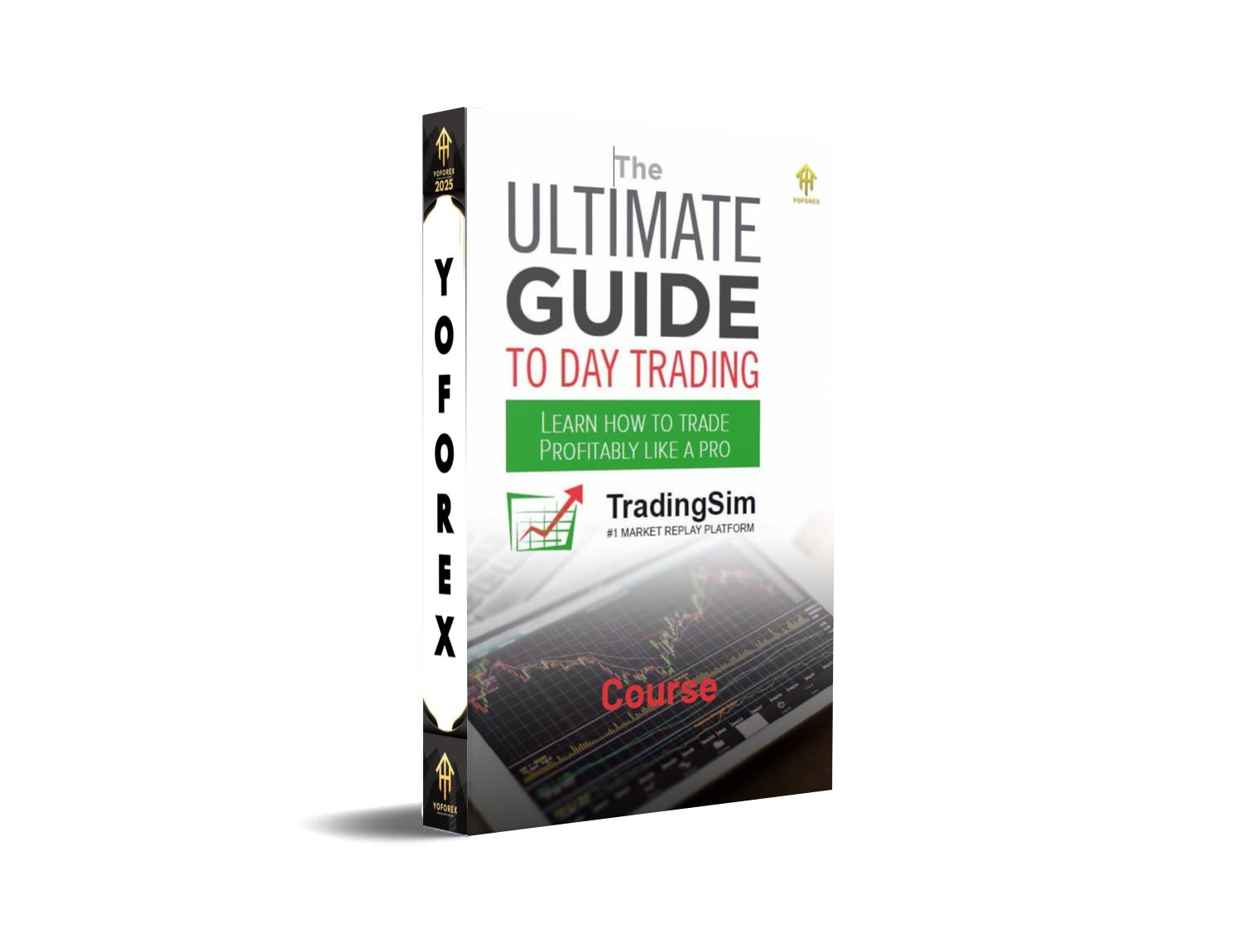
Day trading has always been one of those topics that attracts both new and experienced traders because it looks exciting – fast entries, quick exits, and the thrill of catching short moves. But honestly, day trading isn’t just about clicking buy/sell buttons every few minutes. It’s a skill. A profession, even. And if it’s done without proper structure, discipline, or strategy, you can burn your account faster than you can blink.
This Ultimate Day Trading Guide Course is designed to walk you through everything you actually need—no fluff, no unrealistic promises, and no complicated jargon. Think of it like a friendly crash course that helps you understand how intraday markets move, why traders behave the way they do, and how you can develop methods that truly fit your style.
Day trading simply means you open and close your positions within the same day. No overnight risk. No swap charges. No sleeping with anxiety. And because markets today are super fast, traders are now using price action, indicators, automated EAs, scalping systems, and even advanced AI-powered tools to improve accuracy. With volatility in forex, gold, indices, crypto, and stocks, there’s always an opportunity—if you know where to look.
So let’s unpack this whole journey step by step.
What Exactly Is Day Trading?
Day trading is the practice of buying and selling a financial instrument within the same trading session. You aim to capitalize on intraday movements—tiny fluctuations that happen due to news, liquidity, or market manipulation.
Unlike swing or long-term investing, day traders rely on:
- Speed
- Precision
- Quick decision-making
- Risk management
- Chart-based confirmation
Your advantage as a day trader comes from understanding micro-movements and catching opportunities that most investors ignore.
Why Do Traders Prefer Day Trading?
There are a lot of reasons, but here are the big ones:
- No overnight risk. Markets won’t surprise you with sudden gaps while you sleep.
- Fast results. You don’t wait weeks or months.
- High volatility = more opportunities. Especially in pairs like XAUUSD, NAS100, US30, BTCUSD.
- Flexible. Even 1–2 hours of trading can be enough.
- Scalable. You can start small and grow.
But yes, day trading can be stressful too if you don’t have structure.
Types of Day Traders
Different traders operate differently. Below are the common types:
1. Scalpers
They execute dozens of trades per day, aiming for very small profits (like 5–10 pips). Perfect for fast markets like gold or indices.
2. Momentum Traders
They jump into trades when the market is moving strongly in one direction. They ride the momentum until signs of exhaustion appear.
3. Breakout Traders
They wait for price to break key support/resistance zones. Works well on high-volume sessions like London or New York opens.
4. Reversal Traders
These traders wait for market exhaustion, spotting trend reversals using patterns like double tops, divergence, or supply/demand levels.
5. Algorithmic/EA-Based Day Traders
They use automated robots or AI EAs to manage trades. This reduces emotion and increases consistency.
Best Markets for Day Trading
Different markets behave differently. Here’s a quick breakdown:
Forex
Great liquidity. Low fees. Works 24 hours.
Pairs like EURUSD, GBPUSD, XAUUSD are favorites.
Indices
US30, NAS100, GER40 move sharply—perfect for momentum trading.
Gold (XAUUSD)
Highly volatile and responds well to price action.
Cryptocurrencies
Ideal for breakout and volatility-based strategies.
Stocks
Higher capital needed, but intraday volatility is excellent.
Key Day Trading Strategies That Actually Work
Here are strategies used by real traders worldwide:
1. Support & Resistance Levels
A classic. Markets react from these zones again and again.
2. Breakout & Retest Method
Wait for a breakout, then enter on the retest. Super reliable.
3. Moving Average Trend Strategy
Commonly used MAs:
- 20 EMA
- 50 EMA
- 200 EMA
When price stays above these lines, buy setups become stronger, and vice versa.
4. Momentum Indicator Strategy
Indicators like RSI, MACD, or stochastic help confirm impulse moves.
5. VWAP Strategy
Used heavily in stocks and crypto. Helps you find fair value intraday.
6. Scalping with Price Action
Candle patterns like pin bars, engulfing, and imbalances work brilliantly on M1/M5.
7. EA/Automated Strategy
Using Expert Advisors eliminates emotional decisions and gives data-driven execution.
Risk Management for Day Traders
This is where most traders slip. Here are the golden rules:
- Never risk more than 1–2% per trade.
- Always use stop loss (SL).
- Don’t revenge trade—markets don’t care.
- Trade only in active sessions.
- Understand spreads and commissions
- Always backtest before going live.
Day trading isn’t about winning every trade—it’s about protecting capital and letting consistency build profits over time.
Psychology: The Most Important Part
Charts are easy. Controlling emotions is the real battle.
A good day trader must:
- Avoid fear and greed
- Stay away from overtrading
- Accept losses as part of the process
- Maintain discipline even on winning streaks
- Follow a routine every day
If psychology breaks, even the best strategy fails.
Tools Every Day Trader Should Use
You don’t need 20 indicators. You need the right tools:
- MT4 or MT5 platform
- TradingView charts
- Economic calendar
- Volatility and session indicators
- Risk management calculator
- Automated EAs (optional but powerful)
Trading becomes more efficient when you combine tools with price action insights.
Best Time to Day Trade
Some sessions are far more profitable:
- London Session → Highest liquidity
- New York Session → Strongest moves
- London–NY Overlap → Insane volatility (gold, indices)
- Asian Session → Calm; better for scalping
Choosing the right session can instantly improve your win rate.
Common Mistakes Beginners Make
Avoid these at all costs:
- Trading without stop loss
- Entering trades based on emotion
- Jumping from one strategy to another
- Using too many indicators
- Taking signals blindly
- Not tracking performance
- Over-risking during losses
Honestly, most traders fail not because the market is hard… but coz they don’t follow rules.
Conclusion
Day trading is not magic, and it’s definitely not gambling. If you approach it with structure, discipline, and proper risk control, it becomes a professional skill—just like coding, designing, or engineering. The markets reward consistency, patience, and smart decision-making.
This Ultimate Day Trading Guide Course gives you the foundation you need to start day trading like a pro, without unnecessary complexity. Whether you trade forex, gold, crypto, or stocks, the core principles remain the same. Stay disciplined, analyze properly, use risk management, and keep learning. That’s the real formula.
Comments
Leave a Comment