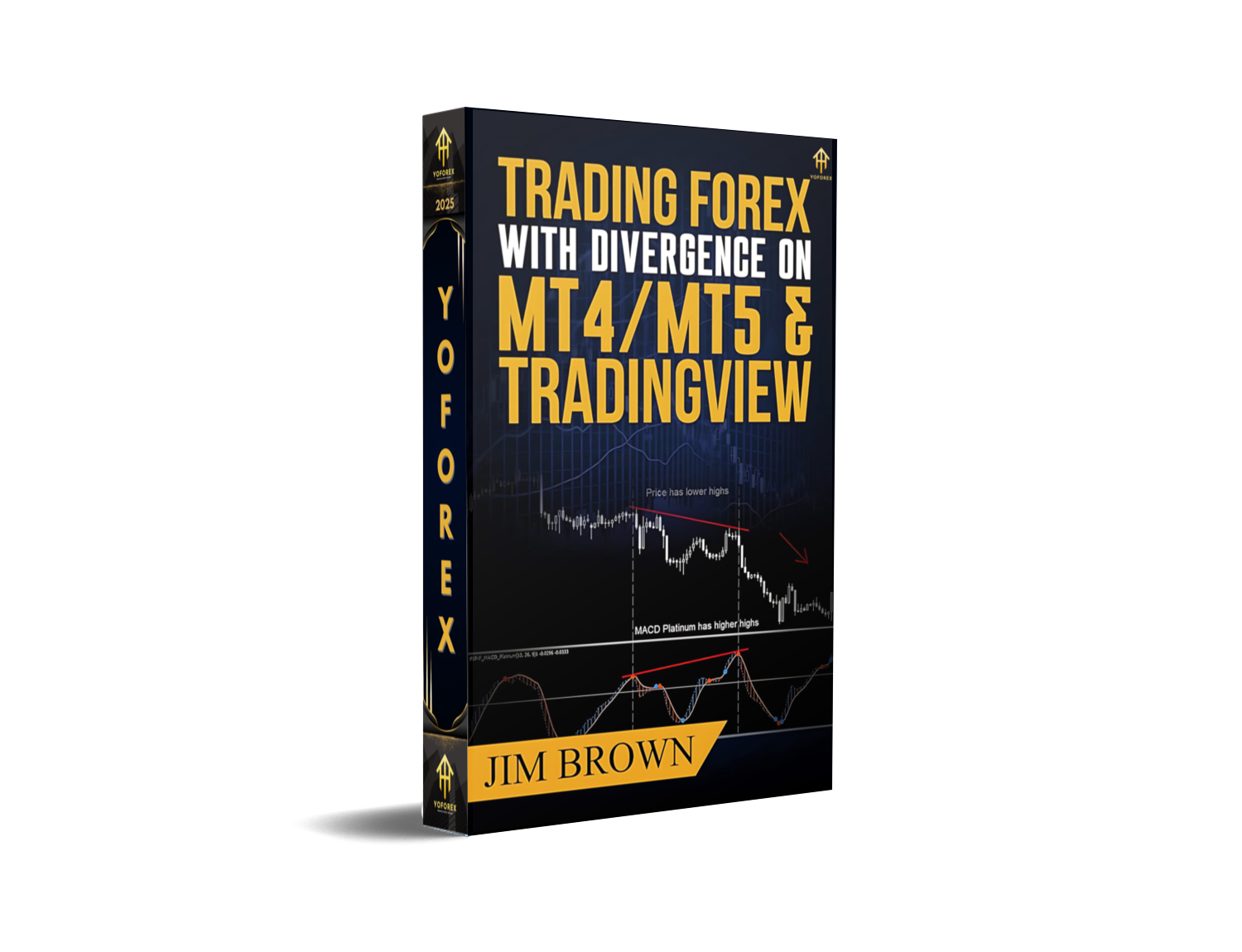
Trading Forex with Divergence on MT4/MT5 & TradingView
Trading forex is a complex but rewarding endeavor that requires a deep understanding of market dynamics, technical analysis, and risk management. One of the most powerful tools in a trader’s arsenal is divergence, a concept that can signal potential reversals in price trends. Whether you are using MetaTrader 4 (MT4), MetaTrader 5 (MT5), or TradingView, mastering divergence can significantly enhance your trading strategy. This blog post will delve into the intricacies of trading forex with divergence on these platforms, providing you with actionable insights to improve your trading performance.
Understanding Divergence in Forex Trading
Divergence occurs when the price of a currency pair moves in the opposite direction of a technical indicator. This phenomenon can be a strong indicator of a potential trend reversal, making it a valuable tool for traders. There are two main types of divergence:
- Bullish Divergence: This occurs when the price of a currency pair makes lower lows, but a technical indicator makes higher lows. It suggests that the downward momentum is weakening, and a potential upward reversal may be on the horizon.
- Bearish Divergence: This happens when the price makes higher highs, but a technical indicator makes lower highs. It indicates that the upward momentum is fading, and a potential downward reversal could be imminent.
Common indicators used to identify divergence include the Relative Strength Index (RSI), Moving Average Convergence Divergence (MACD), and Stochastic Oscillator. Each of these indicators provides unique insights into market momentum, making them essential tools for traders.
Identifying Divergence on MT4/MT5
MetaTrader 4 and MetaTrader 5 are among the most popular trading platforms for forex traders, offering a wide range of technical analysis tools. To identify divergence on these platforms, follow these steps:
- Select an Indicator: Choose an indicator that you are comfortable with, such as the RSI or MACD. These indicators are readily available on MT4/MT5 and can be added to your charts with ease.
- Observe Price Action: Pay close attention to the price action on your chart. Look for instances where the price is making consecutive lower lows or higher highs.
- Compare with Indicator: Check the corresponding indicator to see if it is moving in the opposite direction of the price. If the price is making lower lows while the indicator is making higher lows, you have identified bullish divergence. Conversely, if the price is making higher highs while the indicator is making lower highs, you have spotted bearish divergence.
- Confirm with Additional Indicators: To increase the reliability of your divergence signals, consider using additional indicators or tools. For example, you can use trend lines, support and resistance levels, or volume indicators to confirm the potential reversal.
Trading Divergence on TradingView
TradingView is another powerful platform that offers advanced charting tools and a vast array of technical indicators. Here’s how you can identify and trade divergence on TradingView:
- Choose an Indicator: TradingView supports a wide range of indicators, including RSI, MACD, and Stochastic. Select the one that aligns with your trading strategy.
- Analyze Price Movements: Look for patterns in the price action that suggest a potential trend reversal. This could be a series of lower lows or higher highs, depending on the type of divergence you are looking for.
- Check Indicator Alignment: Compare the price movements with the indicator’s readings. If the price is moving in the opposite direction of the indicator, you have identified divergence.
- Use Additional Tools: To strengthen your divergence signals, utilize other tools available on TradingView, such as trend lines, Fibonacci retracements, or volume indicators. These tools can provide additional confirmation and help you make more informed trading decisions.
Strategies for Trading Divergence
Once you have identified divergence, the next step is to develop a trading strategy that capitalizes on these signals. Here are some effective strategies to consider:
1. Entry Points
When trading bullish divergence, look for entry points where the price begins to stabilize after a series of lower lows. A common approach is to wait for the price to bounce off a support level before entering a long position. For bearish divergence, wait for the price to reach a resistance level before entering a short position.
2. Stop-Loss Placement
Managing risk is crucial when trading divergence. Place your stop-loss orders just beyond the recent swing highs or lows to limit potential losses. This ensures that if the market moves against your position, you exit the trade with minimal losses.
3. Take-Profit Levels
Determine your take-profit levels based on key support and resistance levels or previous swing highs and lows. This helps you lock in profits while allowing the trade to run if the trend continues in your favor.
4. Combining with Other Indicators
To increase the accuracy of your divergence signals, consider combining them with other indicators or trading strategies. For example, you can use moving averages to confirm the trend direction or volume indicators to assess market participation.
Common Mistakes to Avoid When Trading Divergence
While divergence can be a powerful tool, it is not without its pitfalls. Here are some common mistakes to avoid when trading divergence:
- Overreliance on Divergence: Divergence should be used as part of a broader trading strategy, not as the sole basis for your trades. Relying solely on divergence can lead to false signals and unnecessary losses.
- Ignoring Market Context: Always consider the broader market context when trading divergence. Factors such as economic news, geopolitical events, and market sentiment can influence price movements and affect the reliability of divergence signals.
- Premature Entry: Avoid entering trades too early. Wait for confirmation from other indicators or price actions before taking a position. Premature entries can lead to whipsaws and losses.
- Inadequate Risk Management: Always have a well-defined risk management plan in place. This includes setting appropriate stop-loss and take-profit levels, as well as determining the size of your positions based on your risk tolerance.
Conclusion
Trading forex with divergence on MT4/MT5 and TradingView can be a highly effective strategy when executed correctly. By understanding the different types of divergence, identifying them on your chosen platform, and developing a robust trading strategy, you can significantly improve your chances of success in the forex market. Remember to always practice proper risk management and combine divergence with other indicators to enhance the reliability of your signals. With dedication and practice, divergence can become one of your most valuable trading tools.
Support & Disclaimer
Got questions or need help? Reach out anytime:
- WhatsApp: https://wa.me/+443300272265
- Telegram: https://t.me/yoforexrobot
Disclaimer: Past performance is no guarantee of future results. All trading carries risk. Always demo-test in a risk-free environment before deploying on a live account.

Comments
Leave a Comment