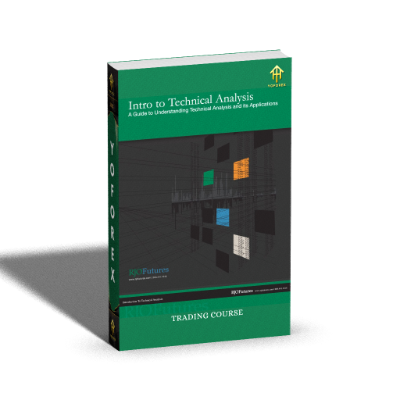
Master the Markets: Your Comprehensive Guide to Trading Courses and Intro to Technical Analysis
In today’s fast-paced financial markets, having the right knowledge and skills is essential for success. Whether you are a beginner looking to enter the world of trading or an experienced investor aiming to refine your strategies, a trading course can be a game-changer. This blog post will delve into the importance of trading courses, with a special focus on the fundamentals of technical analysis, a critical skill for any trader.
The Importance of Trading Courses
Trading courses are designed to equip individuals with the necessary knowledge and tools to navigate the complexities of financial markets. These courses cover a wide range of topics, from basic market concepts to advanced trading strategies. Here are some reasons why enrolling in a trading course is beneficial:
1. Structured Learning
Trading courses provide a structured learning environment, ensuring that you cover all essential topics in a logical sequence. This helps in building a strong foundation and gradually progressing to more complex concepts.
2. Expert Guidance
Most trading courses are led by experienced professionals who have spent years in the markets. Their insights and real-world experiences can be invaluable in shaping your trading approach.
3. Risk Management
One of the most critical aspects of trading is risk management. Trading courses emphasize the importance of risk assessment and provide strategies to minimize potential losses.
4. Practical Application
Many trading courses include practical exercises and simulations, allowing you to apply what you’ve learned in a risk-free environment. This hands-on experience is crucial for developing confidence and competence.
5. Community and Networking
Trading courses often bring together like-minded individuals, creating a community where you can share experiences, discuss strategies, and learn from each other.
Intro to Technical Analysis
Technical analysis is a method used to evaluate securities and identify trading opportunities by analyzing statistical trends gathered from trading activity, such as price movement and volume. Unlike fundamental analysis, which focuses on a company’s financial health and economic factors, technical analysis is concerned with market data and price patterns.
Key Concepts of Technical Analysis
1. Price Action
Price action refers to the movement of a security’s price. Technical analysts believe that price action reflects all known information about a security, including market sentiment and economic conditions. By studying price charts, traders can identify patterns and trends that may indicate future price movements.
2. Trends
Trends are the general direction in which a market or security is moving. There are three types of trends:
- Uptrend: A series of higher highs and higher lows.
- Downtrend: A series of lower highs and lower lows.
- Sideways/Range-bound: A series of highs and lows that remain relatively stable.
Identifying trends is crucial because they help traders align their strategies with the market’s direction.
3. Support and Resistance
Support and resistance levels are price points where the price of a security tends to stop falling or rising.
- Support: A price level where buying interest is strong enough to overcome selling pressure, causing the price to bounce back up.
- Resistance: A price level where selling interest is strong enough to overcome buying pressure, causing the price to turn back down.
Traders use these levels to identify potential entry and exit points.
4. Chart Patterns
Chart patterns are specific formations on price charts that can signal potential future price movements. Some common chart patterns include:
- Head and Shoulders: Indicates a potential trend reversal from bullish to bearish.
- Double Top and Double Bottom: Suggests a reversal of the current trend.
- Triangles: Can indicate continuation or reversal patterns, depending on the type of triangle.
5. Indicators and Oscillators
Technical indicators are mathematical calculations based on historical price and/or volume data. They are used to forecast future price movements. Some popular indicators include:
- Moving Averages: Smooth out price data to identify trends.
- Relative Strength Index (RSI): Measures the speed and change of price movements to identify overbought or oversold conditions.
- MACD (Moving Average Convergence Divergence): Shows the relationship between two moving averages of a security’s price.
Tools for Technical Analysis
Several tools can aid in performing technical analysis:
- Charting Software: Platforms like TradingView, MetaTrader, and Thinkorswim provide advanced charting capabilities.
- Data Feeds: Real-time or delayed data feeds are essential for accurate analysis.
- Backtesting Software: Allows traders to test their strategies against historical data.
Applying Technical Analysis in Trading
To effectively apply technical analysis, traders should:
- Define Clear Objectives: Determine what you want to achieve with your trading.
- Choose the Right Timeframe: Decide whether you will be a short-term trader or a long-term investor.
- Select Relevant Indicators: Not all indicators are suitable for every trading style. Choose those that align with your objectives.
- Practice Risk Management: Always have a plan for managing risk, including stop-loss orders and position sizing.
- Stay Updated: Markets are dynamic, so it’s essential to stay informed about new developments and adjust your strategies accordingly.
Common Mistakes to Avoid
While technical analysis is a powerful tool, it’s not without its pitfalls. Here are some common mistakes to avoid:
- Overreliance on Indicators: Indicators should complement, not replace, your analysis of price action.
- Ignoring Market Context: Technical analysis should be considered within the broader market context, including economic indicators and news events.
- Chasing Trends: Entering trades too late in a trend can lead to missed opportunities or losses.
- Lack of Discipline: Emotional trading can undermine even the best strategies. Stick to your trading plan.
Conclusion
Trading courses offer a structured and comprehensive way to learn about the financial markets, with technical analysis being a cornerstone of many trading strategies. By understanding the fundamentals of technical analysis, you can make more informed trading decisions and improve your chances of success. Whether you are just starting or looking to enhance your existing skills, investing in a trading course can provide the knowledge and confidence needed to navigate the markets effectively.
Remember, successful trading is a continuous learning process. Stay curious, keep practicing, and never stop seeking new knowledge. The markets will reward those who are willing to put in the effort.
Support & Disclaimer
Got questions or need help? Reach out anytime:
- WhatsApp: https://wa.me/+443300272265
- Telegram: https://t.me/yoforexrobot
Comments
Leave a Comment