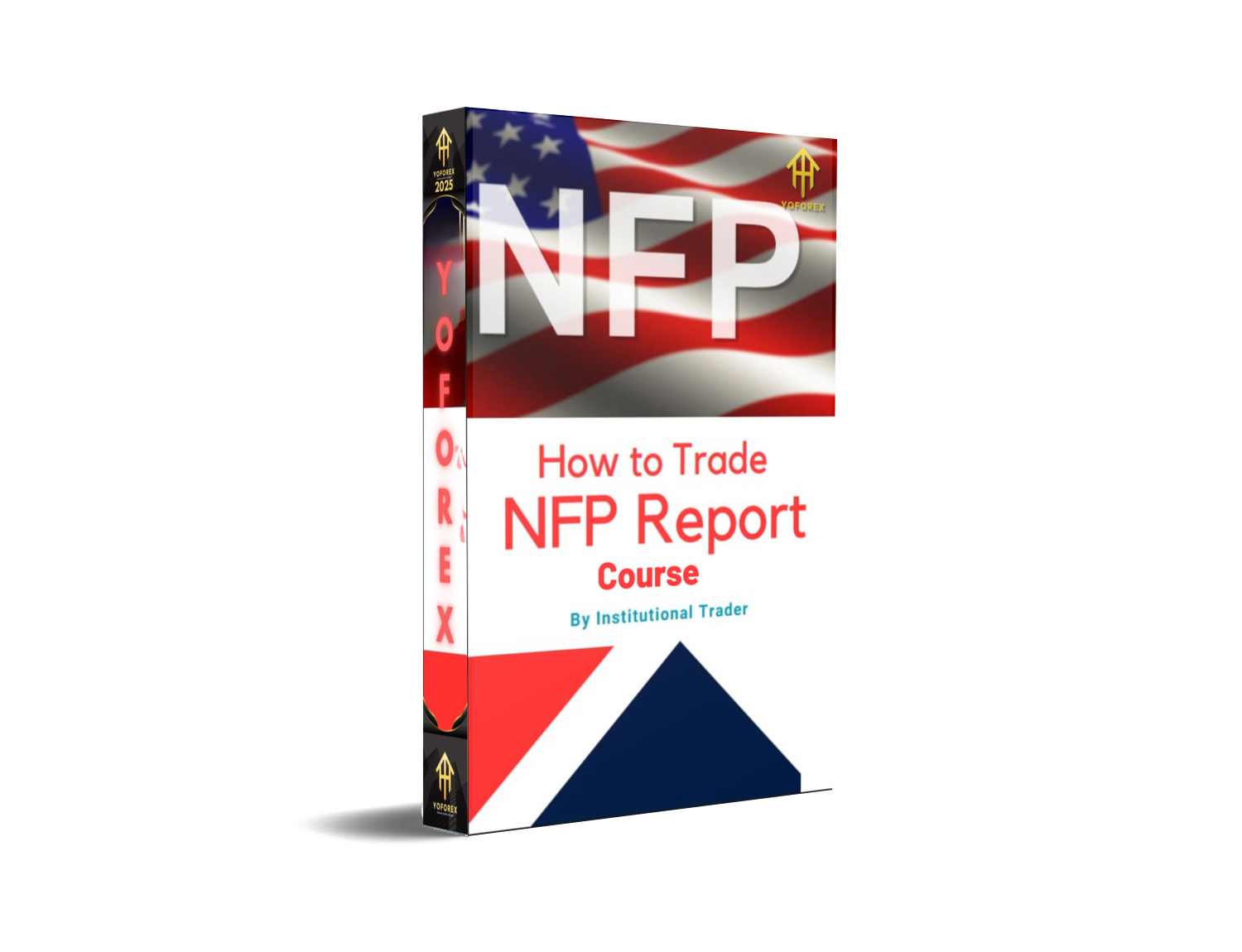
How to Trade Nonfarm Payrolls Course: Master NFP Trading Like a Pro
If you’ve been in the forex world for even a short while, you’ve probably heard traders talking about “NFP day” like it’s some kind of festival or disaster—depending on how their trades went. The Nonfarm Payrolls (NFP) report is one of the most anticipated economic events in the financial markets. Released once a month by the U.S. Bureau of Labor Statistics, this report measures the number of jobs added or lost in the U.S., excluding farm workers, government employees, and non-profit organizations.
Why does it matter so much? Because employment data gives traders clues about the health of the U.S. economy—strong numbers may signal a robust economy and potential rate hikes, while weak numbers could mean trouble ahead. For traders, it’s not just an economic event; it’s an opportunity.
In this course-style guide, we’ll break down how to trade Nonfarm Payrolls, how to prepare before the release, key strategies for different styles (scalping, swing, and breakout), and how to manage risk in one of the most volatile trading sessions of the month.
What Is Nonfarm Payrolls (NFP)?
The Nonfarm Payrolls report is released on the first Friday of every month at 8:30 a.m. EST. It measures the net change in employment from the previous month. Alongside this, traders also get the unemployment rate and average hourly earnings—both crucial indicators that influence the U.S. dollar and global markets.
For forex traders, the NFP affects pairs like:
- EUR/USD
- GBP/USD
- USD/JPY
- XAU/USD (Gold)
These pairs often see huge spikes in volatility, spreads widen, and slippage can occur… but with the right preparation, you can turn that chaos into opportunity.
Why NFP Trading Matters
The NFP report can shake up the entire forex market because it reflects the state of the U.S. economy, influencing the Federal Reserve’s interest rate decisions. When the job data is stronger than expected, the U.S. dollar often rises, and when it’s weaker, the dollar tends to fall.
That’s why smart traders mark the first Friday on their calendars—it’s a chance to profit from big moves that can unfold in just minutes.
How to Prepare for NFP Trading
Successful NFP trading starts before the release. Here’s a quick preparation checklist:
- Check the Forecasts:
Websites like ForexFactory and Investing.com post consensus forecasts. The actual result vs forecast determines the initial market reaction. - Mark the Time:
Set alerts for the release time—8:30 a.m. EST (1:30 p.m. GMT). - Watch the Spread:
Brokers often widen spreads during high volatility—use an ECN account or check with your broker’s policy. - Reduce Your Risk Exposure:
If you’re already in trades before NFP, consider tightening stop losses or closing partial positions. - Avoid Guessing:
Don’t gamble on pre-release numbers. Let the market show its hand first.
3 Proven Strategies to Trade NFP
1. The Breakout Strategy
This is the most popular approach among traders. Markets often consolidate before the release, creating a range.
- Identify the high and low of the range formed an hour before NFP.
- Place pending Buy Stop and Sell Stop orders just outside the range.
- Once the data releases, one order triggers, capturing the breakout direction.
Tip: Use a tight stop-loss (15–25 pips) and avoid chasing false breakouts.
2. The Retest Strategy
After the initial breakout, the price often retraces before continuing its move.
- Wait for the first 1–2 minutes after the release.
- Let the volatility spike calm down.
- Enter on the retest of broken support/resistance zones in the direction of the main move.
This approach reduces the risk of being caught in a “whipsaw” during the first few seconds.
3. The Fade Strategy
This one’s for experienced traders. It involves trading against the initial spike when you believe the market overreacted.
For example, if NFP comes out stronger than expected but the rally on USD looks exaggerated, traders fade the move expecting a correction.
Warning: High risk, only use small position sizes and confirm with price action.
Risk Management During NFP
Trading NFP without a plan is like stepping into a hurricane without an umbrella. Volatility is extreme, so managing risk is key.
Here’s what to keep in mind:
- Trade with a small lot size (no more than 1–2% of your account).
- Use hard stop-losses to protect from slippage.
- Avoid overleveraging. Even small positions can yield big profits during NFP spikes.
- Don’t revenge trade. If you miss a move or take a loss, wait for the next month.
Post-NFP Analysis: What to Look For
Once the dust settles, review:
- The initial direction (USD strength or weakness)
- How gold reacted (since XAUUSD often moves inversely to USD)
- Market follow-through (did the move sustain or reverse?)
Recording each month’s reaction helps you identify patterns and improve with experience. You’ll soon recognize how different market conditions affect NFP outcomes.
Example: NFP in Action
Let’s take a past scenario. Suppose the forecast for NFP was +200K jobs, but the actual result came in at +310K.
- USD pairs like EUR/USD dropped instantly as the dollar strengthened.
- Gold (XAUUSD) fell nearly 300 pips within minutes.
- Traders who waited for the retest of resistance had clean short entries.
That’s how a well-timed NFP trade can yield big returns… but only if you stay disciplined.
Tools & Indicators for NFP Trading
You don’t need fancy setups—but a few tools can make a big difference:
- Economic Calendar: ForexFactory or Investing.com to track the release.
- Volatility Meter: To measure expected pip movements.
- MT4/MT5 Expert Advisors: Like YoForex’s free EAs that can automate pending order placements around news releases.
- TradingView Alerts: So you never miss the announcement.
You can check out YoForex’s Beginner Guide on https://yoforexea.com/beginner-guide/ for tutorials on setting up MT4 for event-based trading.
Common Mistakes to Avoid
- Entering too early: The first seconds after release are chaos. Wait for confirmation.
- Ignoring spreads: Many traders get stopped out because spreads spike.
- Skipping risk management: Even the best setup fails if you overleverage.
- Trading without data context: Look at unemployment rate and average earnings too—they can flip the trend.
Why Learn with YoForex?
At YoForex, we don’t just teach theory—we provide live-tested tools and automated strategies that help you trade confidently during volatile sessions like NFP. Whether you’re using an MT4 Expert Advisor, manual breakout plan, or just learning price action, YoForex gives you everything you need—from free tools to strategy tutorials.
For 24/7 trader support, join:
- WhatsApp: https://wa.me/+443300272265
- Telegram: https://t.me/yoforexrobot
Final Thoughts
Trading NFP isn’t about luck—it’s about preparation, patience, and precision. Once you learn how the market reacts, you’ll start seeing patterns that others miss. So, whether you’re a beginner or an advanced trader, the How to Trade Nonfarm Payrolls Course helps you master one of the most profitable events in forex.
Pro Tip: Always backtest your NFP strategy and use a demo account first to get comfortable with the volatility.
Call to Action
Ready to take the next step?
Visit https://yoforexea.com/ to access free Expert Advisors and trading guides.
Join the YoForex community—empowering traders worldwide, one free tool at a time.
Comments
Leave a Comment